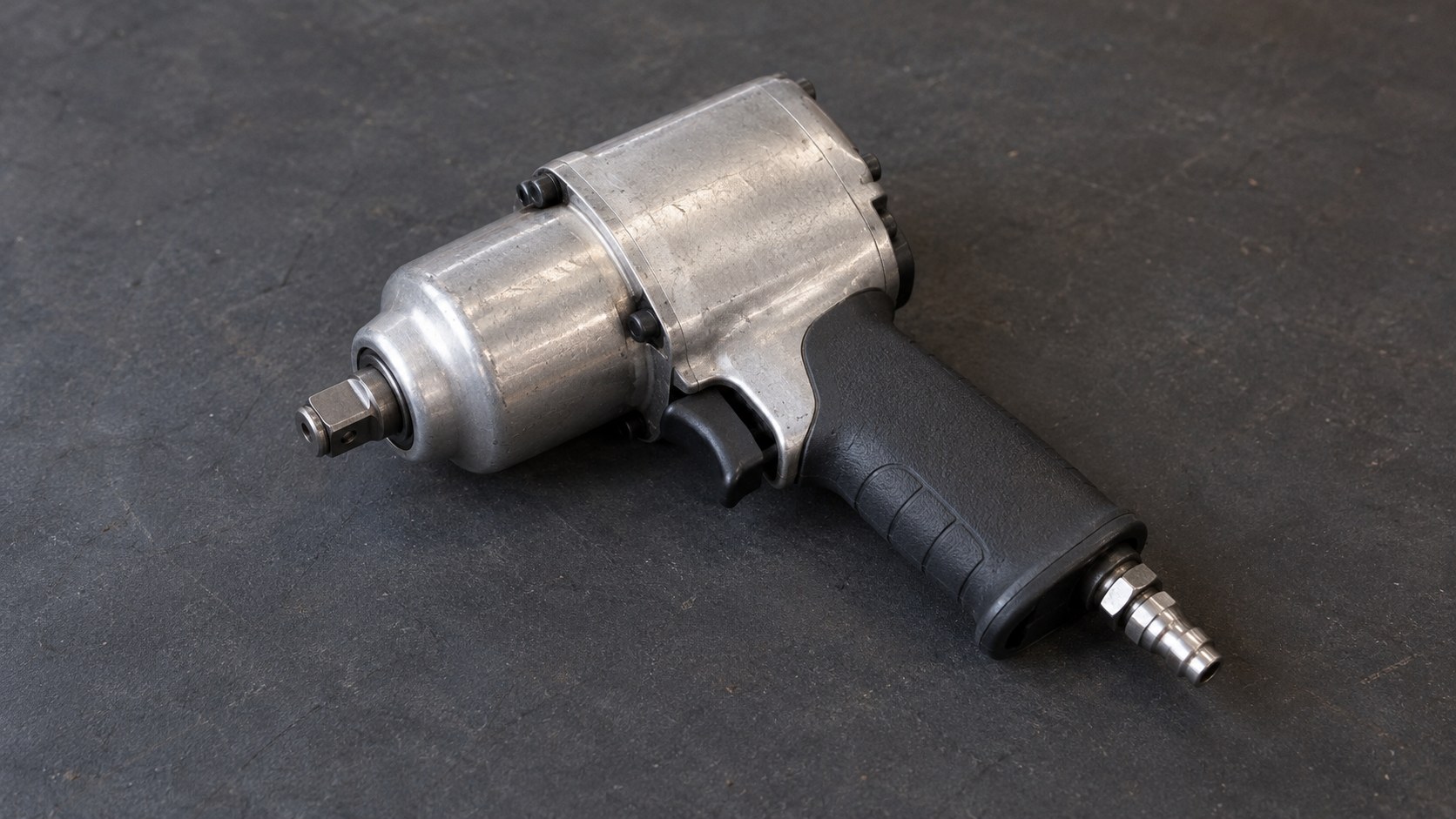
An airline is wonderfully good at moving dust. That is precisely the problem when the dust is inside a brake drum or clutch housing. HSE's current motor-vehicle guidance says all brake and clutch dust is potentially harmful, so it advises never blowing it out with compressed air. This is an established workshop precaution, not a new rule announced this week. [1]
Why the age of the car still matters
Asbestos was once used in brake linings, clutch friction material, automatic transmissions and gaskets. HSE says its use in these vehicle components was prohibited from 1999, with a limited exception that allowed asbestos-containing brake shoes on pre-1973 vehicles until 2004. An older or classic vehicle may therefore still contain an old component. That is a possibility, not a claim that every classic brake has asbestos. [1][2]
Nor is a newer car a licence to make a dust cloud. HSE's advice about avoiding the airline applies to all brake and clutch dust, regardless of whether asbestos is suspected. You cannot settle the cleaning method by guessing the component's age, glancing at the registration or spotting a modern-looking replacement box. [1]
Give the dust fewer ways out
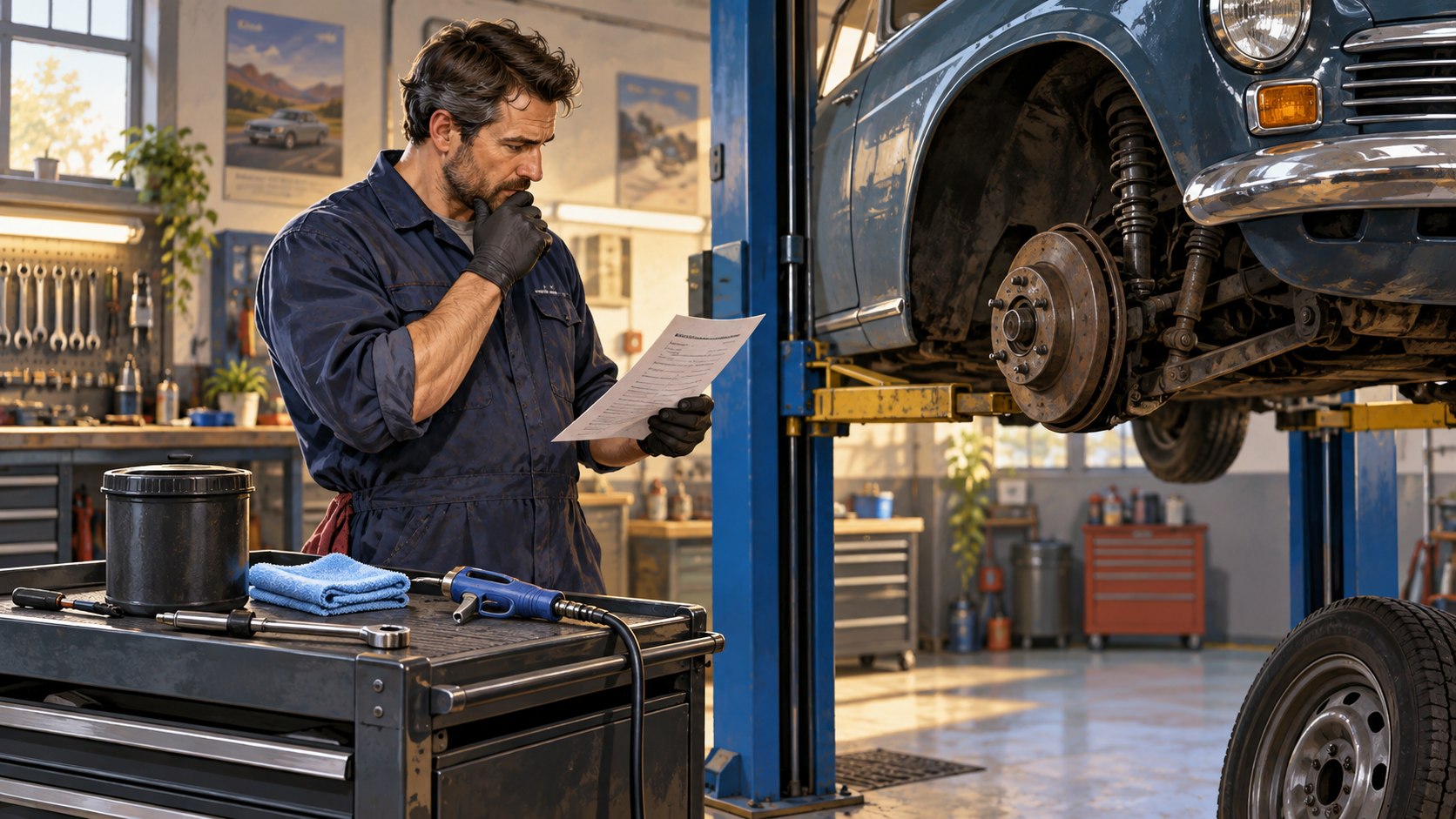
HSE describes two practical cleaning options: properly designed drum-cleaning equipment that prevents dust escaping, or clean, wet rags to clean drums and housings. Its wider motor-vehicle guide says used wet rags should go into a plastic waste bag while still wet. The point is to contain the material at the job, not launch it across the bay and then hope sweeping catches it later. [1][2]
If a removed component is suspected to contain asbestos, HSE says replace it with an asbestos-free one. The supply, possession for supply and fitting of asbestos products to motor vehicles and trailers is banned. A familiar old part is not an exemption for fitting another asbestos-containing item. [1]
The waste decision belongs in the job plan
HSE says suspected asbestos-containing components, including cleaning rags used on them, should be disposed of as asbestos waste. It points garages to its asbestos essentials disposal sheet EM9. That is different from treating every damp rag from a modern brake job as confirmed asbestos waste; the trigger here is a reasonable suspicion about the component. If the identification or waste route is uncertain, stop and obtain competent advice before it enters the ordinary bin. [1][2]
There is a separate building question, too. An old workshop roof or board can contain asbestos even if no car on the ramp does. HSE's vehicle page flags the duty to manage asbestos in premises, but that is a different assessment from cleaning a brake assembly. Do not conflate the two simply because they share the same word. [1]
What I would change at the bay
I would put the cleaning choice on the job setup, not leave it to whoever reaches for the nearest trigger. Before opening a drum or clutch housing, check the vehicle and part history for any reason to suspect an older asbestos-containing component. Have the dust-controlling equipment or clean wet rags ready. Keep the airline for jobs it is actually suited to. If asbestos is suspected, agree the handling and waste route before removal, and replace the part with an asbestos-free component. Those are workshop prompts drawn from HSE's guidance, not a substitute for a job-specific risk assessment. [1][2]
My view: the airline shortcut feels fast because the mess disappears from the part. It has not disappeared from the room. A small change to the default cleaning habit is worth more than a grand poster nobody reads. [1]