Read the result before discussing collection
"But the old one has not run out." It is a reasonable question to ask after an early MOT failure. It is not a complete answer to whether the car can be driven away. The useful conversation starts with what the test actually found, rather than an argument over the calendar.
GOV.UK says a vehicle fails when dangerous or major problems are recorded. Its guidance on taking a failed vehicle away has two conditions: the existing MOT must still be valid and no dangerous problems must have been listed. Even then, the vehicle must meet minimum roadworthiness standards at all times. [1]
I would avoid compressing that into "you have a few weeks left". The customer might hear permission for ordinary use, while the garage meant only to explain the certificate's expiry date. Equally, I would not describe every failed early test as automatically cancelling the old certificate. Use the actual result and explain each question separately.
This is a practical reading of current guidance for Great Britain, checked on 17 October, not a newly announced rule. Northern Ireland has different MOT rules and processes. [4] It is not an individual legal opinion, and a blog cannot decide whether a particular damaged car is fit to move.
My suggestion is to have the result in front of both people during the discussion. Say which defects were recorded, what their classifications mean for the immediate decision and who can explain any uncertainty. If the adviser did not carry out the test, bring the tester into the explanation rather than translating from a hurried verbal summary.
The opportunity here is modest but useful: fewer customers leaving with a different story from the one the workshop thought it had told them. That is worth a proper conversation, not a throwaway sentence over the card machine.
An in-date certificate is not a condition report
GOV.UK puts responsibility for keeping a vehicle roadworthy on the driver and explicitly says it can be unsafe despite having a current MOT certificate. It also sets out everyday checks, including brakes and lights, and points drivers to their handbook for other maintenance checks. [2]
That is why I would keep the condition discussion specific. What has been found on this vehicle? What work or assessment is needed? What are the appropriate arrangements if it cannot be driven? A certificate date cannot answer those questions for the person standing at reception.
If dangerous defects are recorded, do not present the old certificate as a route around them. GOV.UK warns of a fine of up to £2,500, a driving ban and three penalty points for driving a vehicle that failed because of a dangerous problem. [1] I would explain the safety concern first, without turning the conversation into a threat or claiming a penalty is automatic.
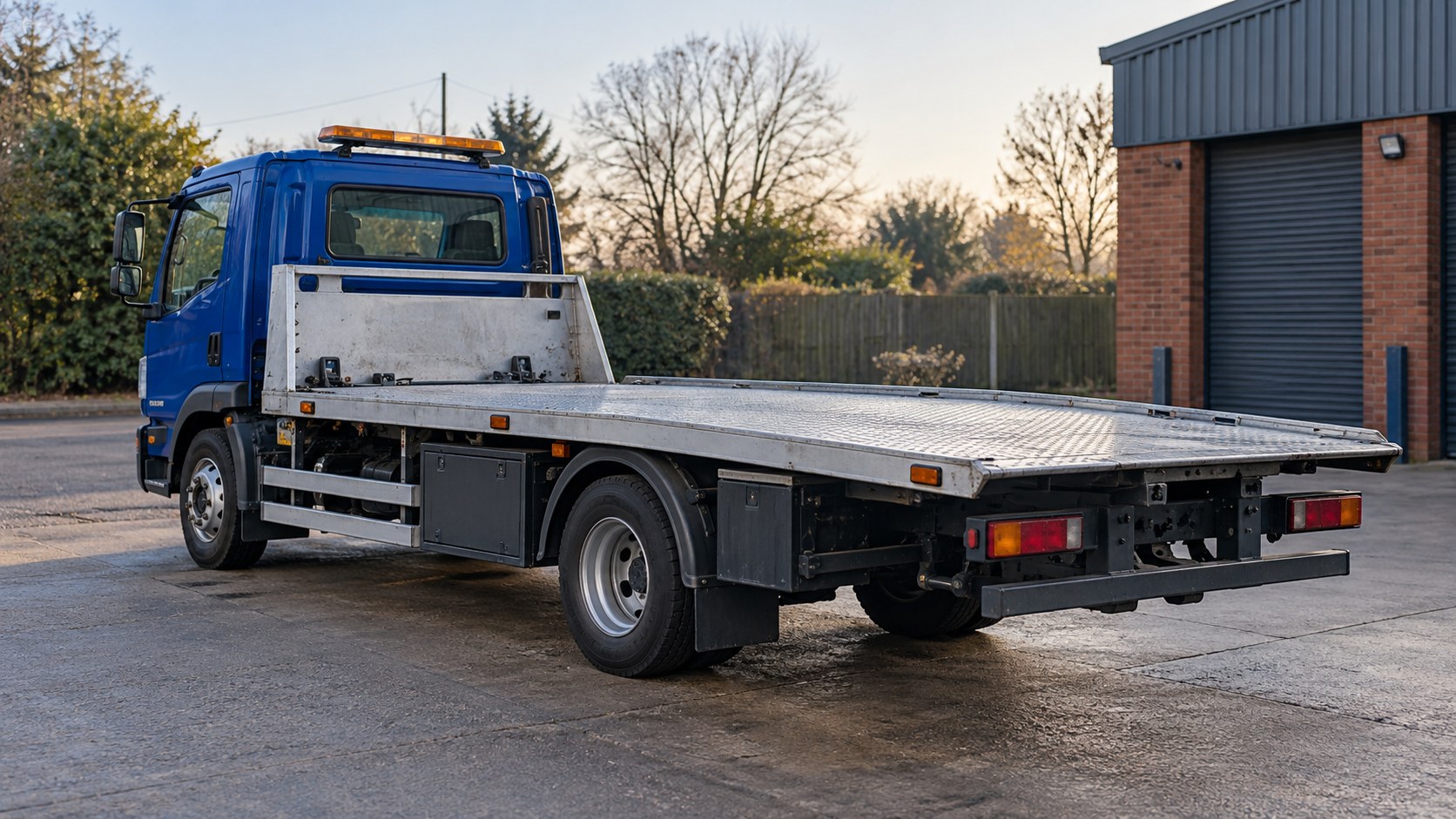
Where driving is not appropriate, my practical suggestion is to discuss repair on site or suitable professional recovery arrangements. Confirm the plan with the customer and the responsible workshop staff. This is not a towing or loading procedure, and the right transport arrangement depends on the actual vehicle and its condition.
I would also distinguish an explanation from a sales pitch. Tell the customer what the result means and what needs resolving. Do not make accepting the garage's repair quotation sound like the only possible choice. My preference is a clear record of the advice, the agreed next step and any unanswered question, with ordinary privacy care.
The garage does not improve the handover by guessing confidently. If the circumstances are unclear, stop and obtain the appropriate technical or legal advice. A calm, precise answer beats a cheerful answer that quietly drops half the conditions.
Agree the retest separately from the journey
Retest eligibility is a different conversation from permission to drive. GOV.UK says that leaving the vehicle at the test centre for repair, with a retest within ten working days, means a partial retest with no fee. Taking it away for repairs and returning within ten working days also allows a partial retest, but a partial retest fee can be charged. [3]
There is also a next-working-day route: returning to the same centre before the end of the next working day for a partial retest on specified items can mean no further test fee. The official list has qualifications, including lamps but not headlamp aim. Do not turn it into "all retests tomorrow are free". Outside the stated cases, a full retest and full MOT test fee are needed. [3]
I would check the exact failed items against that current list before quoting the arrangement. Then give the customer the return date and any charge clearly. "Come back next week" is not much of a booking instruction when the arrangement depends on working days and a particular centre.
My preferred handover would answer three separate questions: where the repair will happen, how the vehicle will get there if movement is needed, and what retest has actually been agreed. A diary entry should not be mistaken for confirmation that the journey itself is lawful or safe.
If parts or workshop capacity make the intended date uncertain, I would say so before promising a retest route. Get the relevant person to confirm the arrangements rather than offering a confident deadline that the workshop cannot meet. This is a suggestion for clearer planning, not a new record-keeping requirement.
Keep the dates clear without creating a grace period
For an expired MOT, GOV.UK says a vehicle cannot generally be driven or parked on the road. It lists limited driving exceptions for journeys to or from somewhere for repair and to a pre-arranged MOT test. Those exceptions do not remove the roadworthiness requirement described in its retest guidance. [4][3]
I would not describe a retest window as extra time to use the car. The window concerns the retest arrangement. The certificate date and the condition of the vehicle remain separate matters. If that sounds repetitive, good: it is exactly the distinction I would want everyone taking collection calls to understand.
A useful training exercise would be to ask two colleagues to explain the same hypothetical early failure. Not a real customer's details, and not a surprise quiz. Compare whether both explain the dangerous-defect condition, roadworthiness and retest arrangements without inventing blanket permission or a blanket ban.
Then review the words used in any standard collection message. Does it merely say "failed, please collect", or explain that the customer needs to discuss the result and next step? My view is that a short invitation to talk is more useful than a long message copied from legislation that nobody has checked against the actual job.
The aim is not to make every failed test a courtroom drama. It is to make the important parts impossible to confuse. Explain the result, explain the condition concern, agree repair or movement arrangements and confirm the retest. An old certificate is a document with a date. It is not a promise about the car outside.