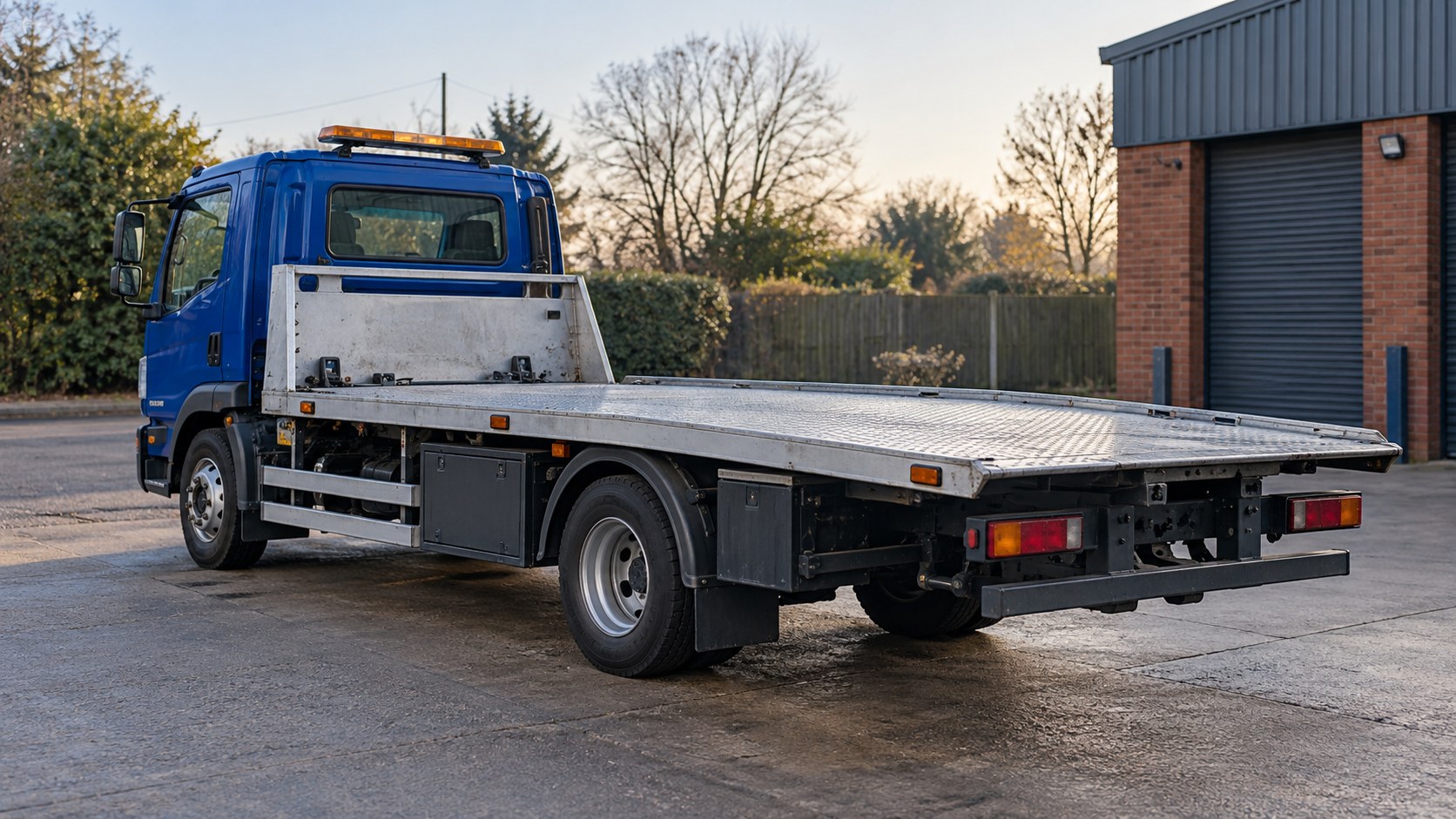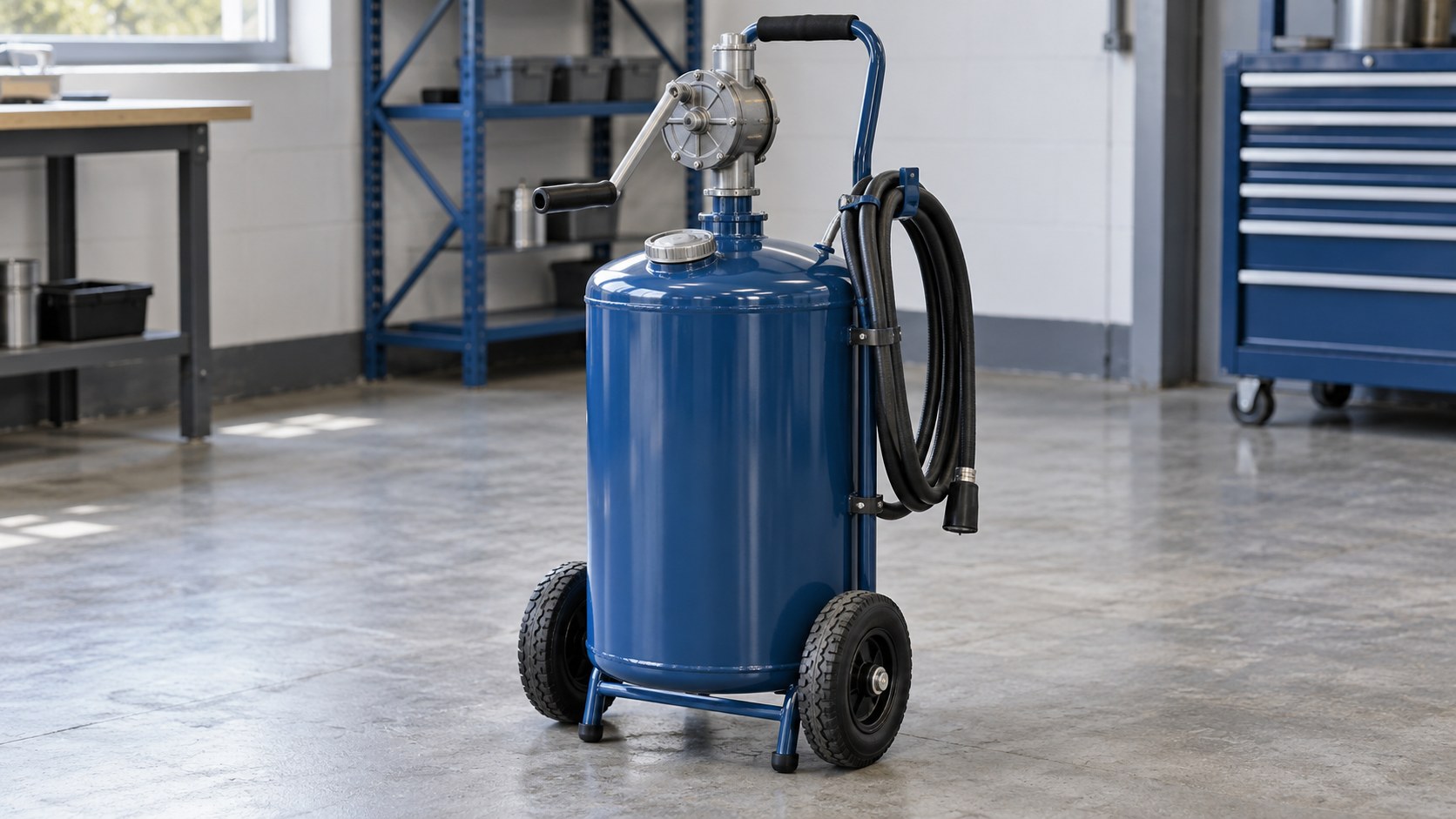
The wrong fuel has gone in. The customer wants the car back. The diary is already full. It is tempting to think of fuel removal as the awkward bit before the real repair starts.
I would turn that round. The draining arrangement is part of the job, not something to invent beside the car. A bucket being conveniently empty does not make it suitable equipment.
HSE's motor-repair guidance identifies mishandled petrol during tank and fuel-line draining as a major fire and explosion concern. It says to use a fuel retriever and not mix recovered fuel into waste-oil storage. [1]
This is established guidance, checked today, not a new October announcement. I am discussing Great Britain workshop preparation. Northern Ireland has its own health-and-safety system. This article is a management review, not instructions for opening a tank, disconnecting a fuel line or repairing a container.
Decide whether the garage can take the job
HSE explains that the Dangerous Substances and Explosive Atmospheres Regulations, usually shortened to DSEAR, require employers to identify dangerous substances and risks, control them, plan for emergencies and inform and train employees. Duties also protect members of the public put at risk by the work. [2]
My first question would be whether the garage actually has an assessed arrangement for this job. Not whether somebody remembers doing one years ago. Not whether a neighbouring business has a pump to lend. An arrangement should identify who is responsible and what makes the work possible here.
I would ask the responsible manager to review the vehicle information, the nature of the fuel problem and the equipment instructions before promising a completion time. Where an essential detail is uncertain, get the necessary vehicle-specific advice. Do not make opening the system the way you find out.
For a garage that does not undertake this work, my suggestion is to agree a referral route to a competent specialist. Explain the boundary to the customer early. A clear decision not to improvise is useful customer service, even when it does not produce today's invoice.
For a garage that does undertake it, I would make the booking conversation specific. Who will review the work? Is the assessed area available? Is the equipment ready? What happens if the job arrives at the same time as another activity that cannot safely run alongside it?
A fictional example: the person able to perform the work is available, but the planned area is occupied and the necessary equipment is away for attention. I would not treat the spare mechanic as proof of a spare job slot. The missing conditions need resolving before the work begins.
Treat the place as part of the equipment
HSE's petrol leaflet explains that vapour is heavier than air and can collect in low spaces, including pits and drains. It identifies heaters, welding and electrical equipment as ignition sources, and also warns about static electricity. [3]
That is why my review would extend beyond the patch of floor occupied by the vehicle. What else is happening in the area? Where do people pass? What could somebody switch on or bring over without knowing the work is under way? A tidy bay does not answer those questions.
HSE says petrol removal belongs in a well-ventilated area with ignition sources removed, preferably outdoors and away from ground openings. Fuel removal needs a competent person familiar with the equipment and hazards. Manufacturer instructions, including earthing and vapour-recovery arrangements, matter. [3]
I would ask the manager to explain the assessed work area and its controls to the people whose activities could affect it. This is not a request to trial the arrangement while fuel is being handled. Review it before the operation, with competent advice where needed.
An open workshop door is not a magic safety certificate. Nor would I assume that outdoor work is automatically suitable: the actual location, surroundings and controlled activity still need consideration. That is my practical caution, not a substitute for the assessment.
I would also check how the garage communicates a change of plan. If the intended area becomes unavailable, who stops the job and arranges the alternative? My preference is for a clear stop-and-review decision, not a quiet move to whichever corner is free.
Check the whole fuel journey
A retriever is equipment to select and use properly, not a permission slip for any operation. HSE's current motor-repair page calls for a proprietary retriever or suitable adaptor when draining petrol tanks and lines. It also says not to drain petrol over or close to pits or drains, or carry out smoking, welding or other hot work while handling it. [1]
I would review the actual equipment information rather than judge it by its colour or resemblance to a catalogue picture. Is it intended for the fuel and operation involved? Are its instructions available? Who checks its condition and knows what would take it out of use?
HSE's leaflet says recovered petrol needs an appropriate securely closable container of sufficient capacity. It warns against open-topped buckets. Unless immediately returned, fuel should go to a designated lockable, ventilated area, preferably outside the workshop. Contaminated fuel or petrol/diesel mixtures need hazardous-waste handling with an accurate description to the contractor. [3]
My suggested review follows the fuel beyond removal: where will it go, who controls that destination and what happens if collection is delayed? Sort that out before a container becomes an inconvenient object waiting beside the bench.
HSE's wider storage guidance says indoor quantities need justification through assessment and should be minimised. Containers for current work should be closed when not in use, with suitable fire-resisting, spill-retaining storage that does not compromise escape routes. A cabinet is not a substitute for dedicated storage for materials not needed for current work. [4]
Those are storage principles, not permission to leave drained fuel in the workshop. The petrol-specific guidance still matters. I would get competent advice on the actual arrangement and applicable waste requirements rather than assume a general storage rule settles every fuel job.
Make the stop decision easy to use
HSE's DSEAR overview includes plans for accidents, incidents and emergencies, controls to limit their effects and properly informed, trained staff. It also requires identification and classification of areas where explosive atmospheres may occur, with ignition sources avoided. [2]
My management question is whether people know the actual plan without having to invent one under pressure. Who raises the alarm? Who stops conflicting activity? Where is the safe way out? Use the garage's assessed emergency arrangements and competent training, not this article as a spill-response script.
I would give staff a straightforward way to flag missing instructions, damaged equipment, an unsuitable work area or uncertainty about the fuel destination. A concern raised before the job is a useful finding, not an inconvenience to hide from the diary.
Then record the decision proportionately: what was missing, what action was agreed and who owns the follow-up. If the existing arrangement is suitable and unchanged, review that evidence rather than buying another gadget for appearances.
My view is that the best time-saving move here is refusing to improvise. Decide whether the garage can do the job, prepare the assessed arrangement and use competent people following the correct instructions. The customer's hurry does not make petrol less flammable.