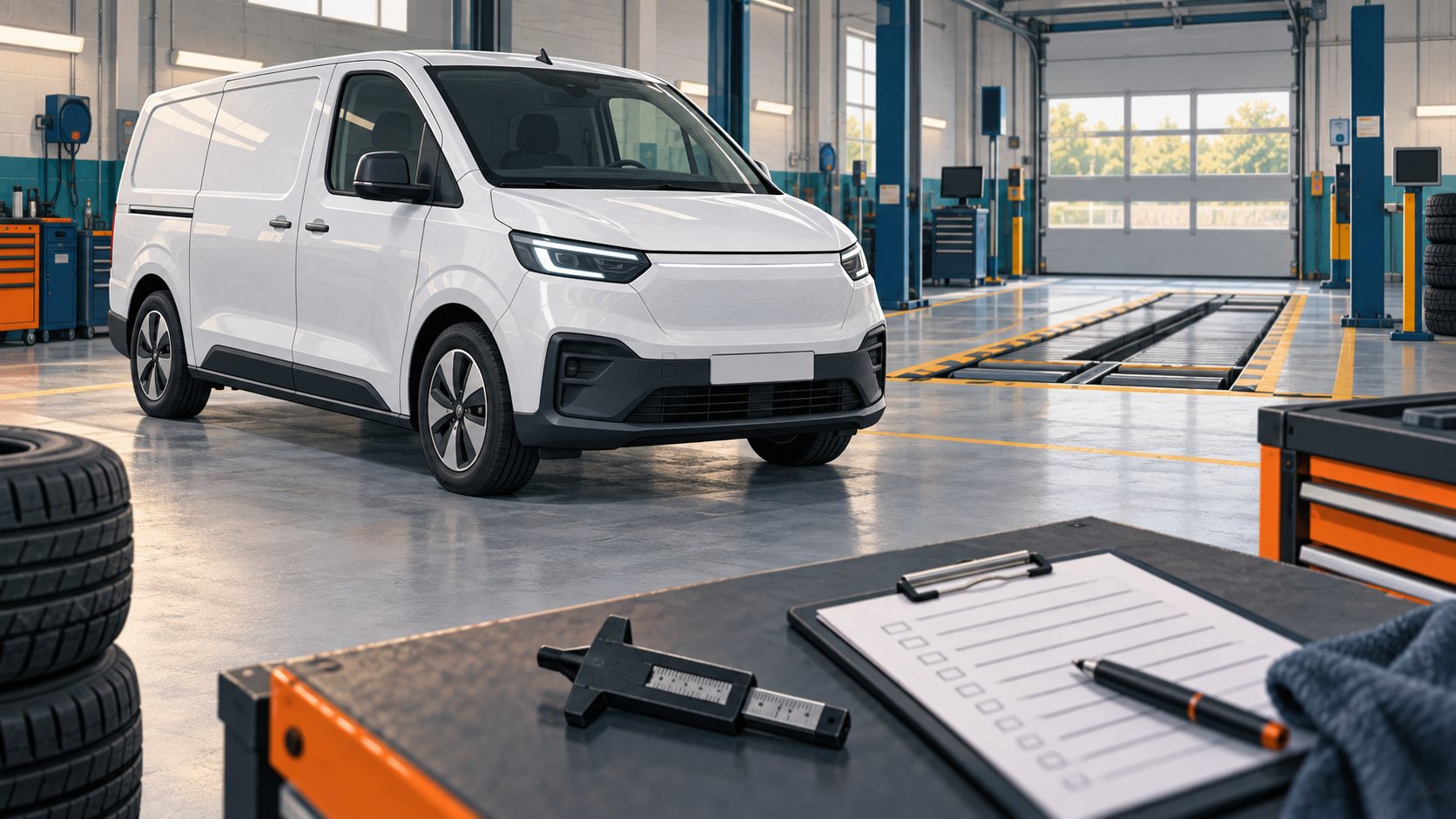
A familiar-looking van can arrive with a weight plate that deserves a second look. I revisited DVSA's class 7 change this morning because the headline is simple, but the workshop decisions behind it need a bit more care.
This took effect on 1 June 2026. It is worth checking now if you book in electric vans, especially when someone still assumes that anything above 3.5 tonnes must go through the heavy-vehicle testing route.
What changed in June?
In England, Scotland and Wales, zero-emission goods vehicles with a design gross weight from 3,501kg to 4,250kg moved into class 7 MOT testing. DVSA says their first class 7 test is due three years after registration. This is an existing change, rather than a consultation waiting for a decision. [1]
If your garage only has class 4 approval, this change does not give it class 7 approval. For a class 7 station, the useful starting point is checking how these vehicles are handled at booking and on arrival.
Read the plate and check the powertrain
Design gross weight, usually shortened to DGW, means the maximum gross weight the manufacturer designed the vehicle to operate at. It is normally on the manufacturer's plate. The MOT manual says that where both a manufacturer's plate and a ministry plate are fitted, the ministry plate's weights take precedence. [2]
The new category is specifically for zero-emission goods vehicles. The manual excludes hybrids, including petrol, diesel or LPG range extenders that drive the vehicle or charge its batteries. A plug and a battery badge are not enough to decide the test class. [2]
The manual's class 7 table includes conventional goods vehicles from 3,001kg to 3,500kg DGW and the qualifying zero-emission category from 3,501kg to 4,250kg. It does not move every heavier van into class 7. [2]
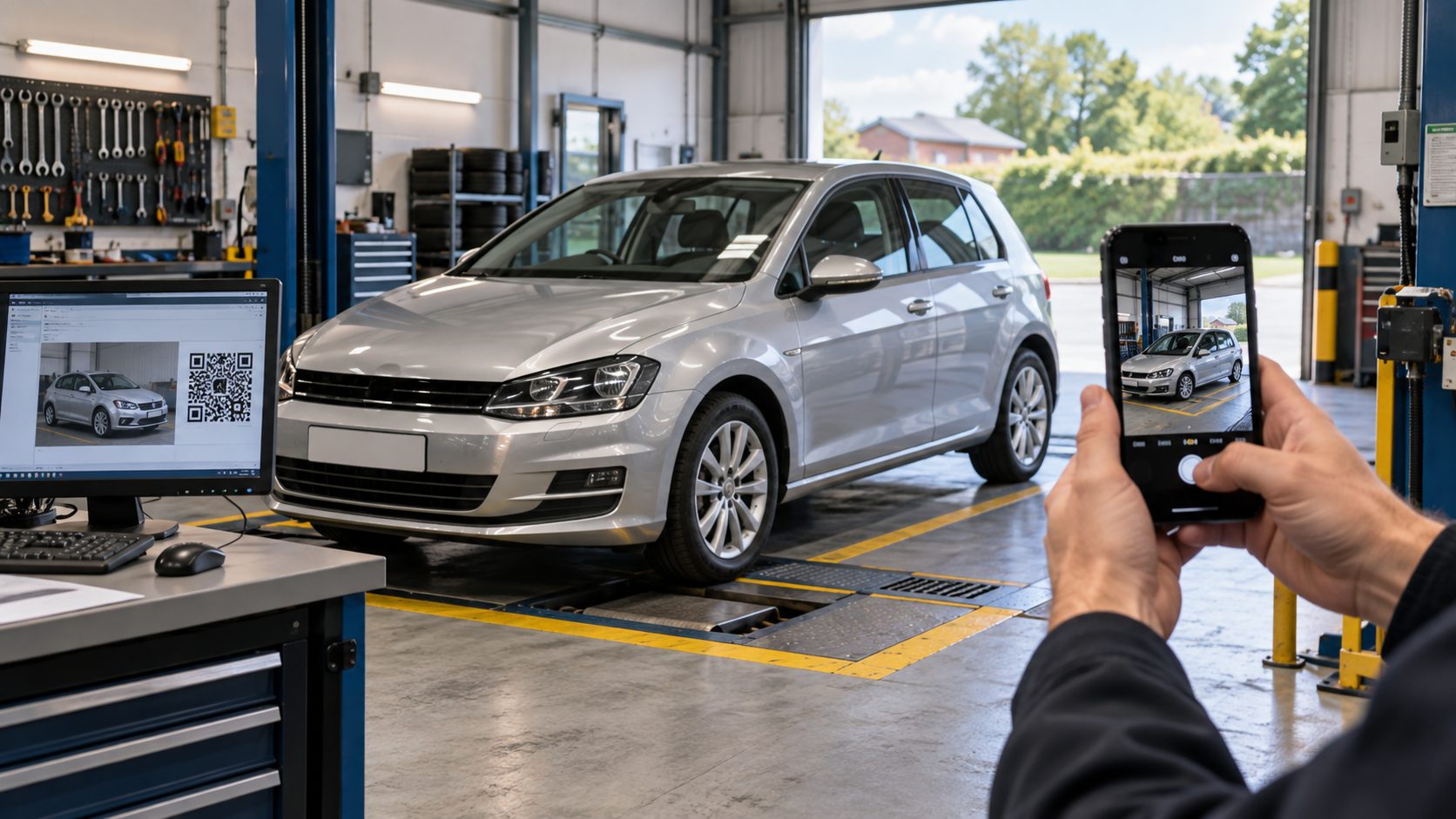
My practical suggestion is to ask for the vehicle details before promising a slot. It is much easier to sort out a classification question while booking than with a driver waiting at reception and the next job already outside.
Two different weight questions
The plated design weight helps identify the vehicle category. The weight actually presented for testing matters when deciding whether your equipment can handle it safely.
DVSA says class 7 stations must accept the eligible vehicles, but also tells testers to decline a test if the presented weight makes testing unsafe. For a laden van of uncertain weight, the presenter can provide weight evidence, or an automated test lane brake tester can be used to measure it. Unloading may allow the test to proceed safely. [1]
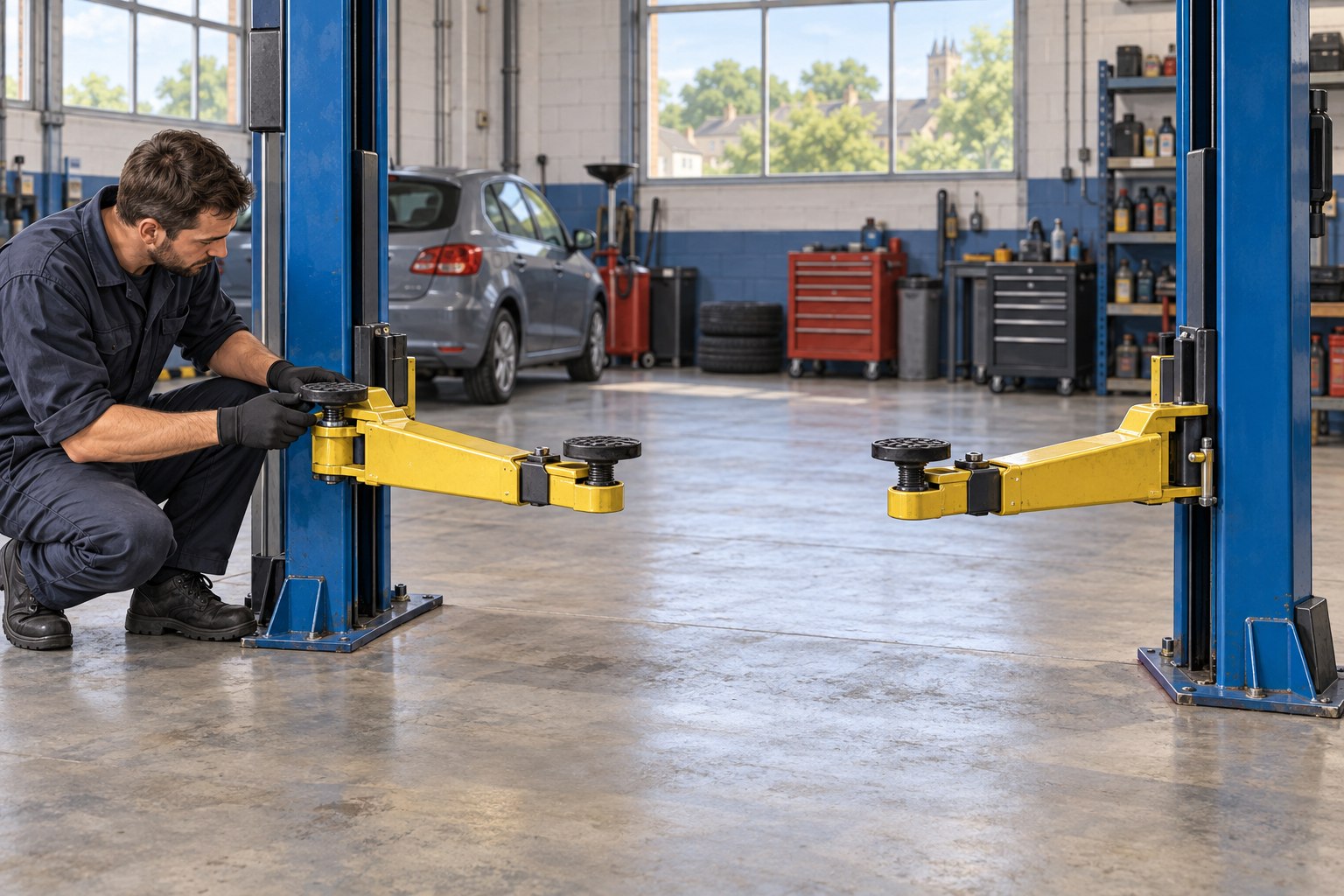
That qualification matters. A class 7 sign above the door does not increase a lift's capacity.
HSE says lifting equipment must stay within its rated safe working load, and lifting points must be correct for the vehicle. Equipment also needs proper maintenance and trained operators. The vehicle manufacturer's instructions and the equipment limits need to inform the decision. [5]
I would check the whole setup: the lift or inspection arrangement, the equipment used during the test, and any practical restrictions on the vehicles it can accommodate. A booking note asking about the load carried could prevent an awkward conversation later.
Tyre tread: use the current class 7 requirement
The current inspection manual explicitly includes these zero-emission goods vehicles in the 1.6mm tread-depth group. The primary tread grooves must meet that depth across the central three-quarters of the tread's breadth and around the tyre's full outer circumference. [3]
So do not carry an old heavy-vehicle tread assumption across to this test. Open section 5.2.3 and use the current wording. This is only one part of tyre inspection; a depth reading is not a verdict on every other aspect of the tyre.
My view is that a short team briefing works well here. Show the relevant manual entry and ask whether the booking and inspection notes need updating. No grand announcement required.
Speed limiters are part of the picture
Section 7.10 includes N2 zero-emission vehicles first used from 1 January 2005 whose maximum speed would exceed 90km/h without a limiter. The inspection applies where a limiter is required and covers areas visible without dismantling. [4]
That is a reason to read the exact applicability and defect rules for the vehicle in front of you. It is not a prompt to improvise a high-speed road test. Keep the MOT procedure and the vehicle information together when planning the job.
I would bookmark the live manual rather than rely on a printed summary becoming the workshop's unofficial rulebook.
Testing and repair need the right competence
An MOT booking may lead to a repair conversation. Treat the proposed work on its own merits.
HSE explains that electric-vehicle competence depends on the work being done. It distinguishes maintenance away from the high-voltage system from work on that system, and stresses access to information for the particular vehicle. A general awareness session does not establish competence for every repair. [6]
For the garage owner, the sensible question is whether the team, information and equipment match the work you are accepting. If a job falls outside that capability, arrange a suitable referral before making promises to the customer.
What I would do this week
- Give the booking team a clear way to flag heavier electric vans for a vehicle-class check.
- Review equipment limits and agree how uncertain presented weight will be resolved.
- Ask testers to revisit the current tyre and speed-limiter sections.
- Check who is equipped and competent to handle any repair work that follows.
- Keep customer explanations simple and specific to their vehicle.
I see a useful opportunity for prepared class 7 garages to serve local van operators. That is a business judgement, not a promise of extra bookings. The strongest offer is knowing what you can accept, checking it properly and giving the customer a clear plan.
Checked on 21 September 2026. Use the live DVSA manual for the vehicle's test requirements.